1
/
of
7
The Frugal Fixer
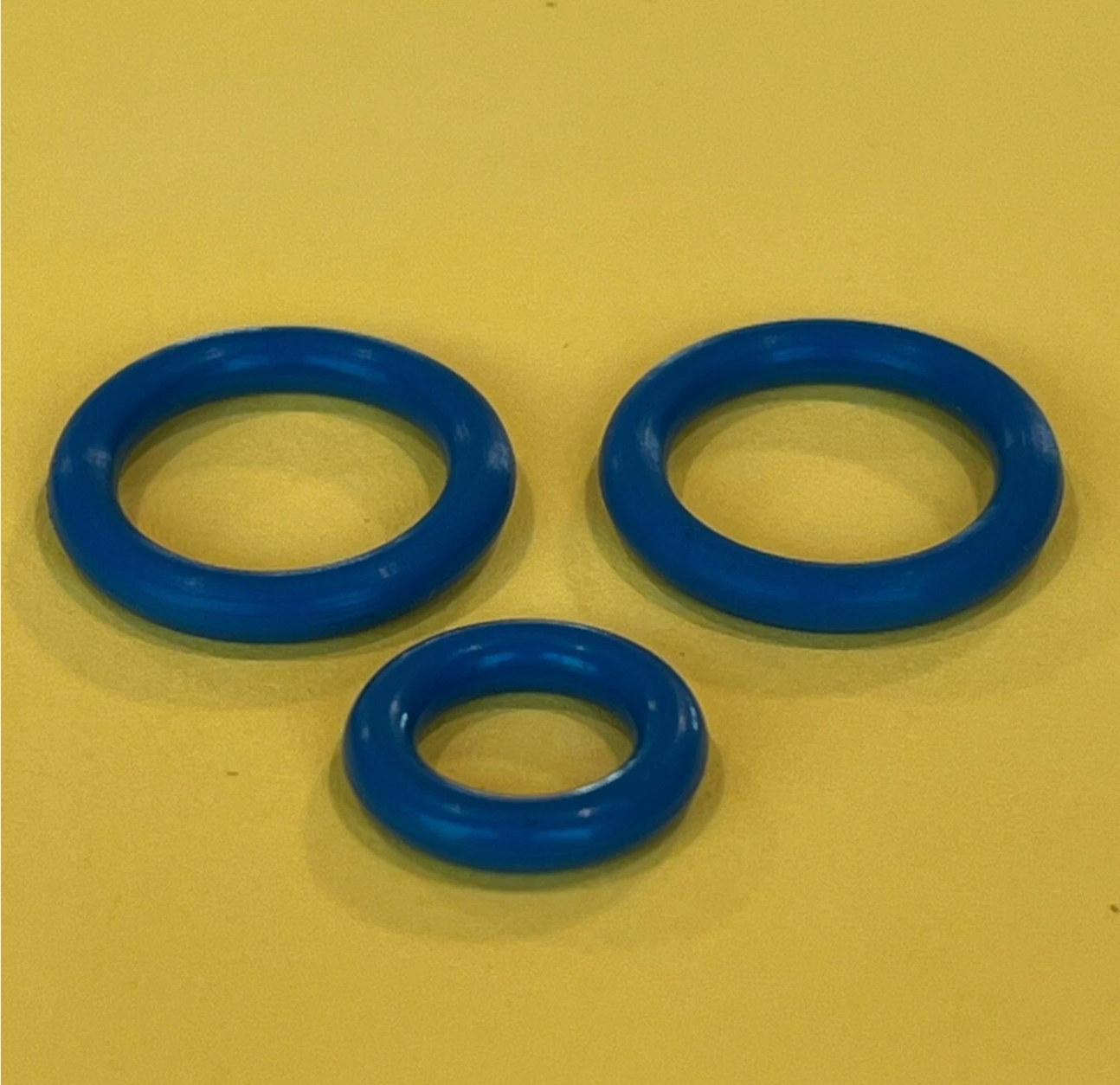
GM 17113552 Fuel Injection Rail O-Ring Seal Kit 1999-2007
GM 17113552 Fuel Injection Rail O-Ring Seal Kit 1999-2007
Regular price
$16.99 USD
Regular price
Sale price
$16.99 USD
Quantity
Couldn't load pickup availability
- Fuel Injection Rail O-Ring Kit (17113552): Includes 3 O-rings (2 larger, 1 smaller, typically FKM/Viton material).
- Clean motor oil (for lubricating O-rings).
- Socket set, wrenches, and Torx screwdriver (for fuel rail bolts and crossover tube bracket).
- Flathead screwdriver or pry bar (for gentle prying).
- Non-abrasive cleaner (e.g., carburetor cleaner) and lint-free cloth.
- Torque wrench (for precise reassembly).
- Wheel chocks and 9V battery saver (optional, for safety and preserving vehicle settings).
- Shop rags and a container for small parts.
- Fuel line disconnect tool (if needed for fuel line removal).
Compatibility:
The 17113552 O-ring kit fits GM vehicles (1999-2007), including:
- Chevrolet Silverado 1500/2500/3500 (1999-2007)
- Chevrolet Tahoe/Suburban (2000-2006)
- GMC Sierra 1500/2500 (1999-2007)
- Cadillac Escalade (2002-2006)
- Chevrolet Express 1500/2500/3500 (2003-2007)
- Buick Rainier (2004-2006)
- Others (verify with your service manual).
Note: This kit is specific to the fuel rail crossover tube, not injector O-rings. Confirm fitment for your vehicle’s engine (e.g., 4.8L, 5.3L, 6.0L).
Step-by-Step Instructions:
- Preparation and Safety:
- Park the vehicle on a flat surface, engage the parking brake, and place wheel chocks around the front tires.
- Disconnect the negative battery terminal to prevent electrical issues. Optionally, use a 9V battery saver in the cigarette lighter to preserve vehicle settings.
- Relieve fuel system pressure: Remove the fuel pump fuse or relay, start the engine, and let it stall. Alternatively, use a fuel pressure gauge at the Schrader valve (if equipped) to release pressure safely.
- Open the hood and ensure a well-ventilated workspace.
- Access the Fuel Rail:
- Remove the air intake assembly (air filter housing and intake tube) to access the fuel rail.
- If the intake manifold overlaps the fuel rail (common on some GM engines), remove it per the service manual. This may involve disconnecting throttle body components or other obstructions.
- Locate the fuel rail crossover tube, which connects the left and right fuel rails across the engine. It’s secured by a Torx screw and hold-down bracket.
- Remove the Fuel Rail Crossover Tube:
- Disconnect the fuel line from the crossover tube using a fuel line disconnect tool if necessary (varies by model).
- Remove the Torx screw and hold-down bracket securing the crossover tube.
- Carefully pull the crossover tube from the fuel rail ends. Use a gentle twisting motion or a small pry bar to avoid damaging the tube or rail. Note the position of the old O-rings (two larger ones at the rail ends, one smaller one at the crossover connection).
- Replace the O-rings:
- Remove the old O-rings from the crossover tube and rail ends using a flathead screwdriver or pick tool. Inspect for wear, cracking, or swelling, which indicate fuel leaks.
- Clean the crossover tube and fuel rail mating surfaces with non-abrasive cleaner and a lint-free cloth to remove debris or old O-ring residue.
- Apply a light coat of clean motor oil to the new O-rings (two larger, one smaller) to aid installation and prevent pinching. Do not use silicone-based lubricants, as they may degrade the O-rings; motor oil is preferred as it’s compatible with fuel exposure.
- Install the new O-rings: Place the two larger O-rings on the crossover tube ends and the smaller O-ring at the connection point (refer to your service manual for exact placement). Ensure they seat properly without twisting.
- Reinstall the Crossover Tube and Fuel Rail:
- Reinsert the crossover tube into the fuel rail ends, ensuring a snug fit. The lubricated O-rings should slide in easily; press firmly but don’t force to avoid pinching.
- Secure the crossover tube with the hold-down bracket and Torx screw. Torque to the specification in your service manual (typically 8-10 ft-lbs for GM fuel rails).
- Reconnect the fuel line, ensuring a secure click if using quick-connect fittings.
- Reassemble the Engine:
- Reinstall the intake manifold (if removed), air intake assembly, and any other components.
- Reconnect the battery and fuel pump fuse/relay.
- Test for Leaks:
- Turn the ignition to the “ON” position (without starting) to pressurize the fuel system. Check for fuel leaks or odors around the crossover tube and fuel rail.
- Start the engine and let it idle. Inspect again for leaks. If you smell fuel or see leaks, shut off the engine and recheck O-ring installation for pinching or improper seating.
- Test drive the vehicle for 10-15 minutes to ensure proper operation. Recheck for leaks after parking.
- Final Checks:
- Verify no fuel odors or puddles under the hood.
- Ensure the engine runs smoothly without misfires or hesitation, which could indicate other fuel system issues (e.g., injector O-rings or fuel pressure regulator).
Tips and Warnings:
- Use OEM or high-quality O-rings: The 17113552 kit uses FKM/Viton material for durability under high pressure (up to 750 psi) and fuel exposure. Avoid cheap aftermarket kits to prevent premature failure.
- Lubricate properly: A light coat of motor oil prevents O-ring damage during installation. Avoid over-lubricating, as slippery O-rings can be dropped or misaligned.
- Check for double O-rings: Ensure no old O-rings remain in the rail or crossover tube, as this can cause leaks.
- Inspect related components: If replacing the crossover tube O-rings, consider checking injector O-rings or the fuel pressure regulator, as leaks in one area may indicate wear in others.
- Torque carefully: Overtightening can damage the fuel rail or crossover tube. Use a torque wrench and follow the service manual.
- Safety first: Fuel is flammable; clean up spills immediately and work in a well-ventilated area with a fire extinguisher nearby.
Troubleshooting:
- Persistent leaks: Check for pinched O-rings, debris in the rail seats, or damaged crossover tube ends. Ensure only one O-ring is installed per position.
- Fuel odor after driving: Recheck torque on the crossover tube bracket and inspect for hairline cracks in the fuel rail.
- Engine misfires: If the issue persists, test the fuel pressure regulator or injector O-rings, as these can cause similar symptoms.
For visual guidance, search YouTube for “GM 5.3L fuel rail crossover tube replacement” or similar videos for your specific model (e.g., 2003 Tahoe).
Share